- Air Duct Cleaning
- Basement Water Damage Cleanup
- Burst Pipe & Water Leak Cleanup
- Commercial Fire Damage Restoration
- Commercial Mold Remediation
- Commercial Water Damage Restoration
- Crawl Space Encapsulation
- Crawl Space Mold Remediation
- Fire & Smoke Damage Restoration
- Flood Damage Cleanup
- Sewage Cleanup
- Water Damage Restoration



Trustindex verifies that the original source of the review is Google. My initial contact Chris was great at communicating and very urgent with getting to my issues. Chris helped to get everything set up quickly and responsive to all questions I had . After that Cruz came to check up on the system over a week or so both men were helpful respectful informative and had good customer servicePosted onTrustindex verifies that the original source of the review is Google. After carpet company broke a pipe upstairs and flooded the entire kitchen and living room ceiling, Cruz and team came out asap and worked into the night to remove all damage and dry out everywhere. Then they quickly started reconstruction. Everything looks like new now. Communication was great! I hope I never have to use them again but if another situation arises I won’t call any other servicePosted onTrustindex verifies that the original source of the review is Google. Greg’s staff was very kind and accommodating. Greg was very professional and listened to our rehab needs to fit the budget that we had. Thank you for working with us.Posted onTrustindex verifies that the original source of the review is Google. What a pleasure it was doing business with Romanoff Renovations! They were in frequent contact and communication, the guys who installed did a terrific job!Posted onTrustindex verifies that the original source of the review is Google. Greg Warren was prompt to servicing our water damaged home christmas eve 2022. He literally worked in our home all night. And we will never forget his dedication.Posted onTrustindex verifies that the original source of the review is Google. Great experience and excellent results
Request a Call Back
Basement Water Damage Cleanup in Nashville & Middle Tennessee
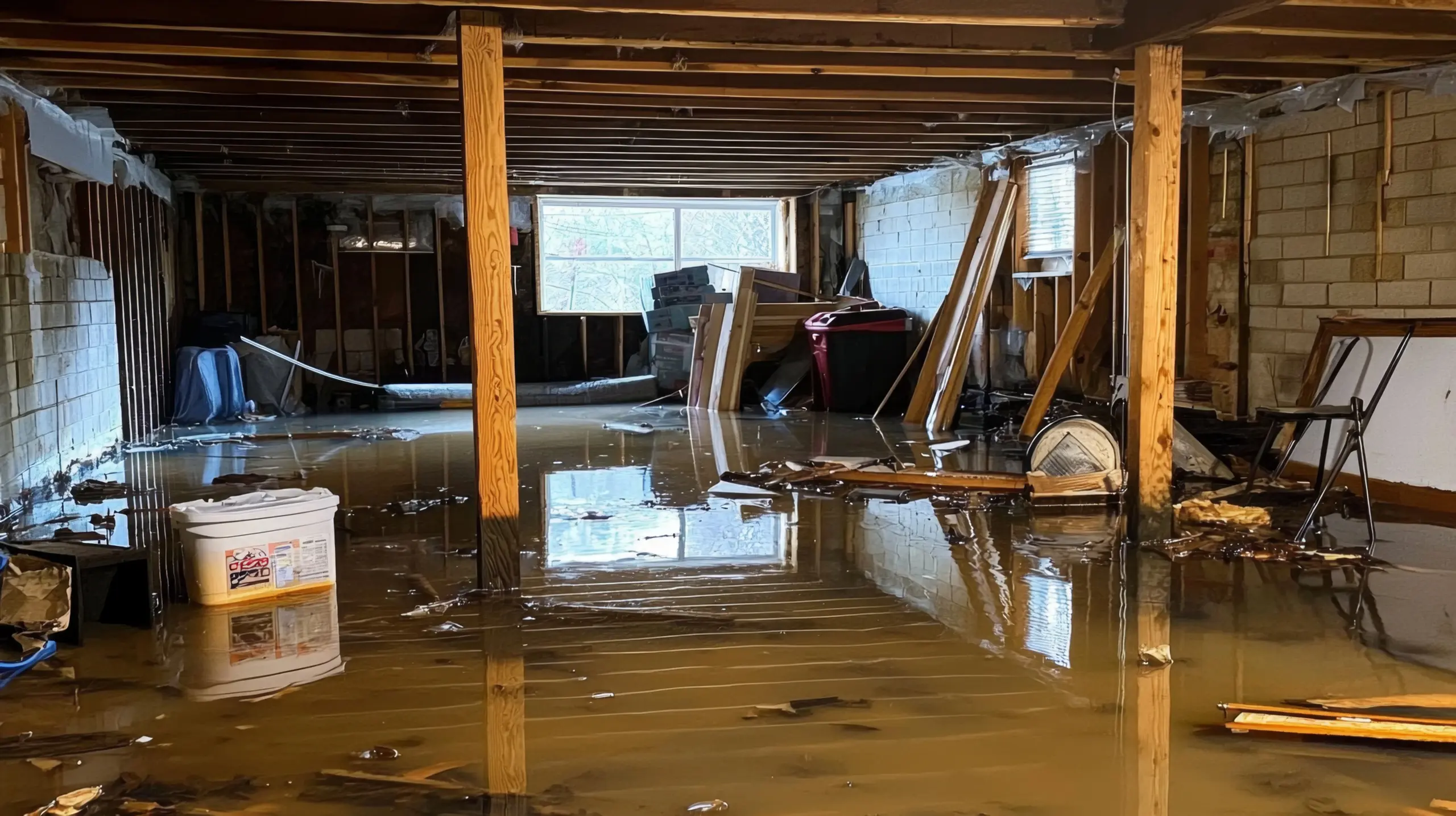
A wet basement is one of those things you find at the worst possible time usually on a Sunday night after a hard rain, or when you head downstairs and step into something cold that shouldn’t be there. By the time most people call us, the water has already been sitting for a few hours, sometimes longer.
Here’s the thing about basements: they hold moisture better than any other part of the house. Block foundations, concrete floors, little airflow water gets in and it doesn’t leave on its own. What looks like a minor puddle at the drain is often the surface of a much bigger problem sitting in your walls and under your slab.
We’ve cleaned up basements across Middle Tennessee for over 20 years everything from a few inches of storm water to a full foundation failure. When you call us, we pick up, we come out, and we don’t leave until the job is actually done.
How Water Gets Into a Basement and Why It Matters
The source of the water changes what cleanup looks like. It’s one of the first things we ask about when you call, and here’s why:
Storm and Groundwater Seepage
Sump Pump Failure
Drain Backup
Hot Water Heater or HVAC Failure
Foundation Cracks
Signs Your Basement Has a Water Problem
Water in a basement isn’t always obvious right away. Watch for:
Some of these come on slowly, and it’s easy to tell yourself it’s always been like that. It probably hasn’t. If something feels off, it’s worth getting eyes on it before it gets worse.
What Happens After You Call Us
Step 1 – You Call, We Answer
Step 2 – We Figure Out What We're Dealing With
Step 3 – Get the Water Out
Step 4 – Pull What's Too Far Gone
Step 5 – Clean and Disinfect
Step 6 – Dry the Structure
Step 7 – Treat for Mold
Step 8 – Repair and Restore
Why People Call Mr. Restoration
IICRC Certified Technicians
Trained specifically for water damage, we know what a wet basement actually needs, not just what it looks like it needs
Commercial Drying Equipment
Industrial dehumidifiers and air movers, not the stuff you rent from a hardware store
60+ Years Combined Experience
We've worked basements with two inches of water and basements with two feet and everything in between
Insurance Claim Help
We document everything from day one and deal with your adjuster directly
45-Minute Response
Water in a basement spreads fast. We don't make you wait.
Family Owned & Local
Middle Tennessee is home. We treat your house the way we'd want ours treated.
24/7 Live Answering
Call us at midnight. A real person picks up.
Frequently Asked Questions
There has always been some water in my basement; do I really need to call someone?
That is contingent upon the quantity and frequency. Persistent wetness or recurrent standing water are not the same as a modest bit of seepage that dries off on its own in a day. The issue with accepting it is that, over time, frequent moisture cycles lead to deterioration and, ultimately, mold growth because concrete and block are porous. Instead of assuming it's harmless just because it's been a "little water" for years, it's worth having someone look at it.
Can I just use fans and a wet vacuum?
Perhaps for a very little spill on a concrete floor. However, a wet vacuum cannot remove moisture from concrete, block walls, or anything else that it has already penetrated. The stuff beneath is not dried by fans; just the surface is. The cleanup must go beyond surface drying if the water has been lying for longer than an hour or two or if it comes from outside the house.
The drain backed up and there's sewage involved is that handled differently?
Yes, significantly. Sewage backup is Category 3 contaminated water. More material has to come out, the disinfection protocol is more extensive, and the health risk is real bacteria like E. coli can stay active on surfaces for days. Tell us when you call so we come prepared with the right equipment and protective gear.
Is water damage in a basement covered by homeowner's insurance?
The cause determines this. A typical homeowner's policy usually covers water damage caused by broken pipes, faulty water heaters, or sump pump failures. Rising water, storm surge, groundwater, and flooding from outside the house typically call for a separate flood insurance policy. Depending on whether you have that rider or not, sewer backup may or may not be covered. We work with your adjuster and document everything, but before we begin, it's important giving your agent a brief call to find out what you have.
What if I'm already seeing mold?
Let us know when you call. We're IICRC certified for both water damage and mold remediation so we handle both as part of the same job. You won't need a second company.
Basement Water Damage in Middle Tennessee? Call Now
When disaster strikes, you need a restoration company that responds fast and delivers results you can trust. At Mr. Restoration of Middle Tennessee, we are dedicated to restoring homes and businesses with efficiency, integrity, and expert care. Founded by a team with 60+ years of experience, we provide top-tier solutions that ensure your property is fully restored with minimal stress. Serving Nashville, Murfreesboro, Franklin, Brentwood, Hendersonville, Smyrna, La Vergne, Manchester, Tullahoma, Winchester, McMinnville, Fayetteville, and surrounding Middle Tennessee communities.